
About Us
Digital Twin Studio Research Ecosystem
- Digital Twin Studios
- XR Studio
- Digital Media Arts & Engineering
- Center for Computation & Technology
- NCAM
- Controlled Unclassified Information (CUI) Lab
- Spatial Computing Lab
- Digital Humans Lab
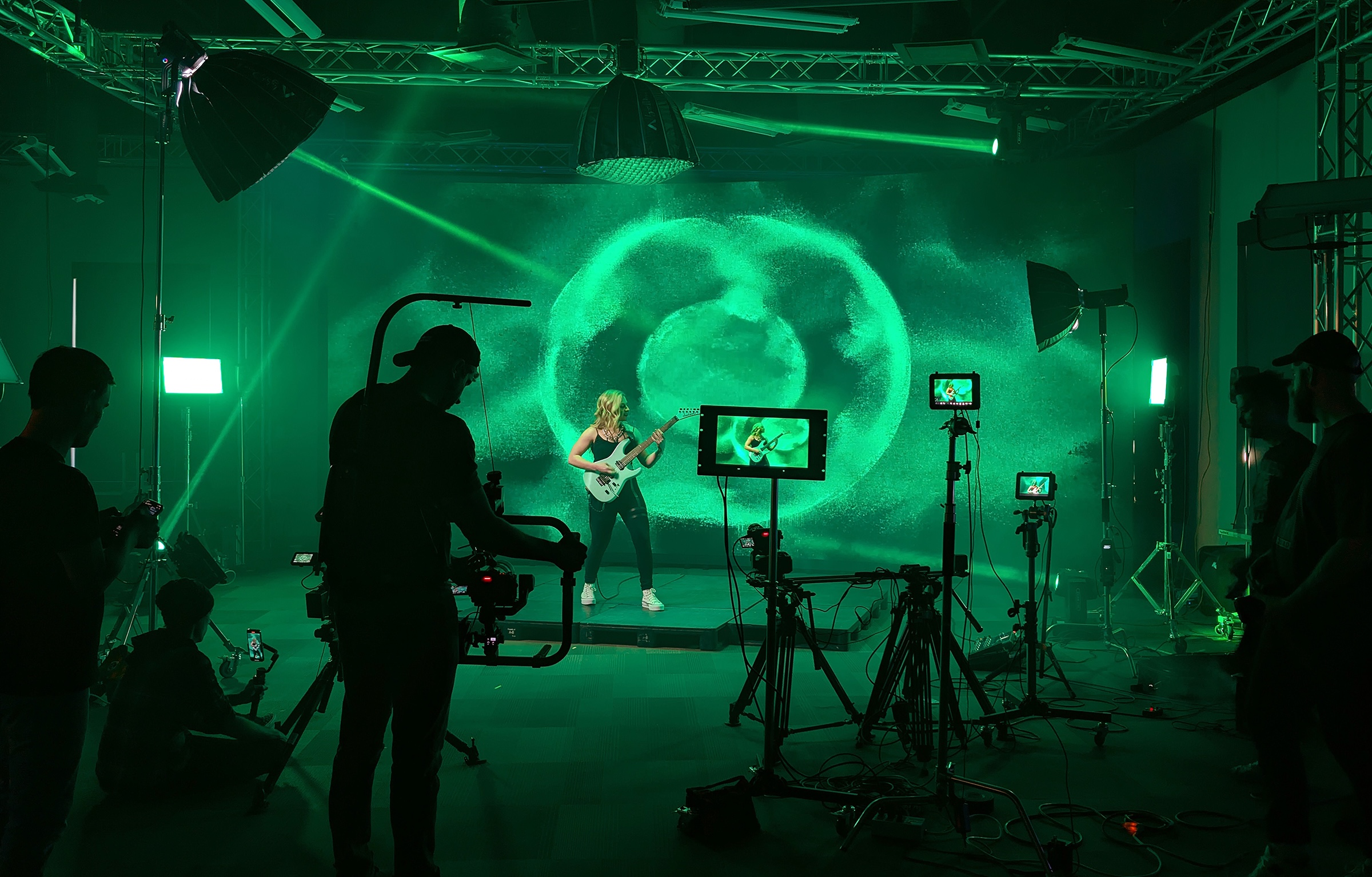
The Digital Twinning Studio serves as a central hub within LSU’s digital twin ecosystem, transforming complex data from real-world systems into clear, compelling, and human-centered experiences through spatial computing and design. Drawing on backgrounds in entertainment technology and a shared passion for creating engaging experiences for film, games, museums, and public audiences, the Studio prioritizes clarity, engagement, and data empathy—making complex information more understandable and experiential.
Digital twin research at LSU is supported by an interconnected network of specialized labs and studios housed within the Center for Computation & Technology, including the Digital Twinning Studio, XR Studio, Digital Humans Lab, and Spatial Computing Lab, along with shared resources such as the Digital Fabrication Lab and Physical Computing Lab. Together, these spaces form a collaborative ecosystem that integrates computation, spatial computing, immersive media, fabrication, and human-centered design to support the development of digital twins for real-world systems.
This ecosystem is further strengthened through collaboration with the LSU National Center for Advanced Manufacturing (NCAM), which brings deep expertise in advanced manufacturing, materials, and large-scale industrial applications. NCAM extends the impact of LSU’s digital twin research into critical sectors such as aerospace, defense, and energy by connecting virtual models with physical manufacturing processes, validation environments, and workforce development initiatives. Together, these partnerships enable a full-stack approach to digital twins—from data capture and simulation to visualization, fabrication, and real-world deployment.
Resources for Digital Twin Work
Digital twin efforts at LSU are supported by a constellation of educational, technical, and research resources available through collaboration and partnership. These include academic programs and training opportunities, graduate assistantships, shared digital twinning equipment such as 3D scanners and drones, and access to software used in digital twin research and development.
At LSU, students and researchers use industry-standard software and cutting-edge hardware to design, visualize, and deploy Digital Twin systems across engineering, media, and research applications.
Software Platforms
LSU’s Digital Twin work draws on a broad suite of professional tools for 3D modeling,
real-time simulation, data integration, and visualization. These include content creation
and game-engine environments such as Blender, Autodesk Maya, Unity, and Unreal Engine
for building interactive virtual environments; spatial data tools like ArcGIS and
QGIS for mapping and geospatial context; and digital twin-related workflows with DJI
Terra, Faro Scene, and CloudCompare for processing 3D scans and spatial datasets.
In addition, students use industry mainstays in version control and collaboration
such as Git and Perforce to manage complex project assets.
Hardware and Capture Systems
Physical data capture and immersive experience development are enabled by advanced
hardware. LSU labs feature high-performance workstations and VR/AR headsets like Oculus
Quest 3 and HTC Vive for experiential interaction with Digital Twin environments,
as well as photogrammetry and spatial scanning systems such as Faro LiDAR scanners,
handheld scanners, and the Arago photogrammetry rig to digitize real-world environments.
Drones (e.g., DJI Matrice 300 RTK with lidar and camera payloads) support aerial data
collection, while large-scale facilities like motion capture systems and LED volumes
further extend capabilities for simulation and digital environment creation.
Together, this ecosystem of software and hardware allows LSU students and faculty to build high-fidelity Digital Twins—bridging real-world data, creative media, and immersive technology for research, industrial, and educational use cases.
Training & Academic Programs
Louisiana State University offers a unique, interdisciplinary ecosystem for studying and creating Digital Twins—bridging technology, design, and creative practice. Through programs spanning engineering, digital media, and art, LSU equips students and professionals with the skills needed to model, visualize, and interact with real-world systems in virtual environments.
At the core of these opportunities is LSU’s Digital Media Arts & Engineering (DMAE) program, which integrates art, design, and advanced technologies such as real-time visualization, simulation, game engines, and interactive systems. Students gain hands-on experience developing immersive digital environments and data-driven experiences that are foundational to Digital Twin design and deployment.
Complementing DMAE is LSU’s Digital Twin Online Certificate, a flexible, fully online program focused specifically on the design, production, and application of Digital Twins across industries. The certificate provides practical and strategic training in Digital Twin technologies, addressing technical workflows alongside business, ethical, and operational considerations. It is ideal for students and professionals seeking targeted expertise in this rapidly growing field.
LSU’s Digital Art program offered by the School of Art + Design further expands Digital Twin opportunities through creative exploration of 3D modeling, animation, virtual environments, and experimental media. Students develop strong visual and conceptual skills that enhance the storytelling, visualization, and experiential aspects of Digital Twins, supporting applications in simulation, education, cultural heritage, and immersive visualization.
Together, these programs position LSU as a leader in Digital Twin education—offering pathways that combine technical innovation, creative practice, and real-world application to prepare learners for emerging careers across industry, research, and the arts.
Collaborate with the Studio
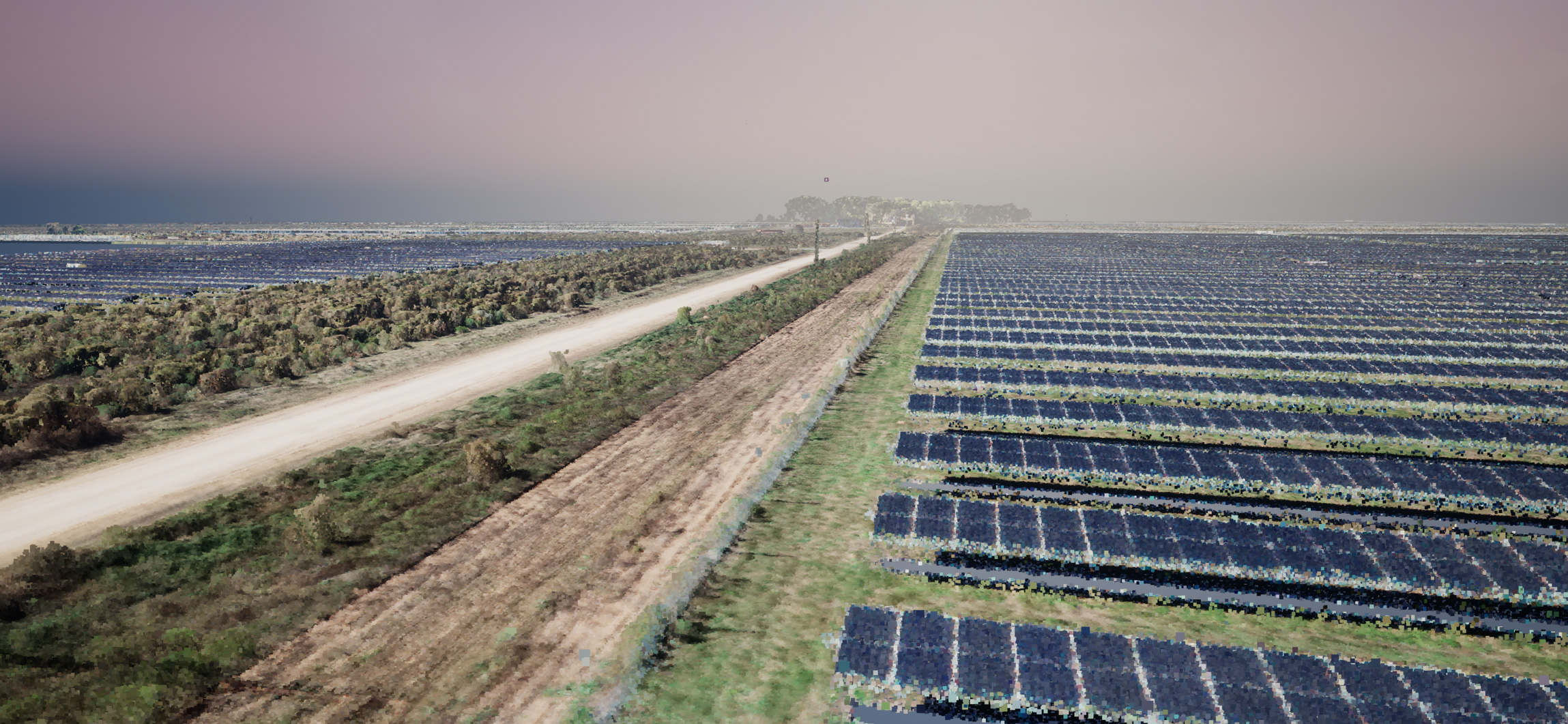
We build digital twins through collaboration with partners across LSU, industry, and the community. Our work ranges from applied projects to research, development, and speculative “what if” explorations. If you’re interested in collaborating, we welcome conversations about shared ideas, systems, and questions.