
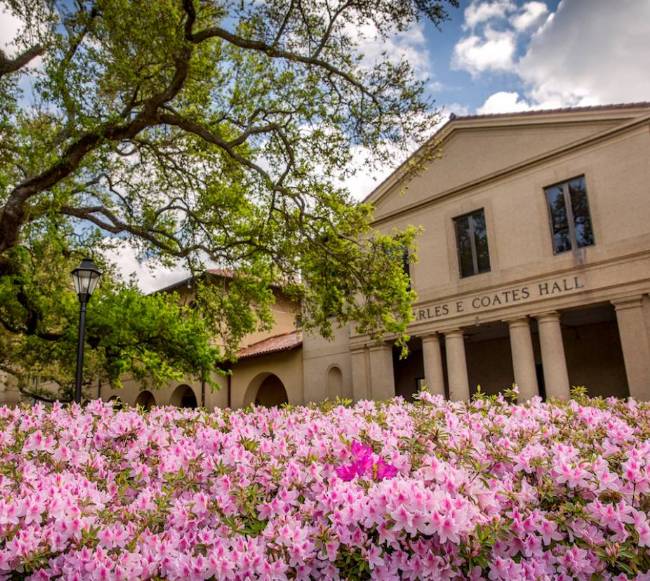


LSU Honors Six Rainmakers in Research
March 04, 2026
BATON ROUGE, LA – Six LSU faculty members have been selected as Rainmakers in Research by the LSU Council on Research based on their outstanding scholarship and creative activity within their respective ranks and disciplines. The Rainmaker awards recognize sustained work with high impact both within and beyond academia.
LSU’s Rainmakers are researchers at the early, middle, or senior stages of their careers. They have built strong track records in securing external research funding, publishing in high-impact journals, and gaining national as well as international recognition for their work.
“Excellence in research is what drives LSU to join the top 50 research universities in the nation,” LSU Vice Chancellor of Research & Economic Development Robert Twilley said. “The researchers and scholars we recognize with these Rainmaker awards are among the very best within each of their disciplines, driving science and humanity forward. Their work impacts their students, their peers, and the world, and it is an honor to have them here at LSU.”
The Rainmaker awards are presented in partnership with Campus Federal Credit Union with a one-time cash stipend of $1,000. On Thursday, March 19, this year’s winners will be celebrated during a reception at the South Stadium Club at Tiger Stadium.
Meet the LSU Rainmakers in Research:
Emerging Scholar in Arts, Humanities, Social & Behavioral Sciences
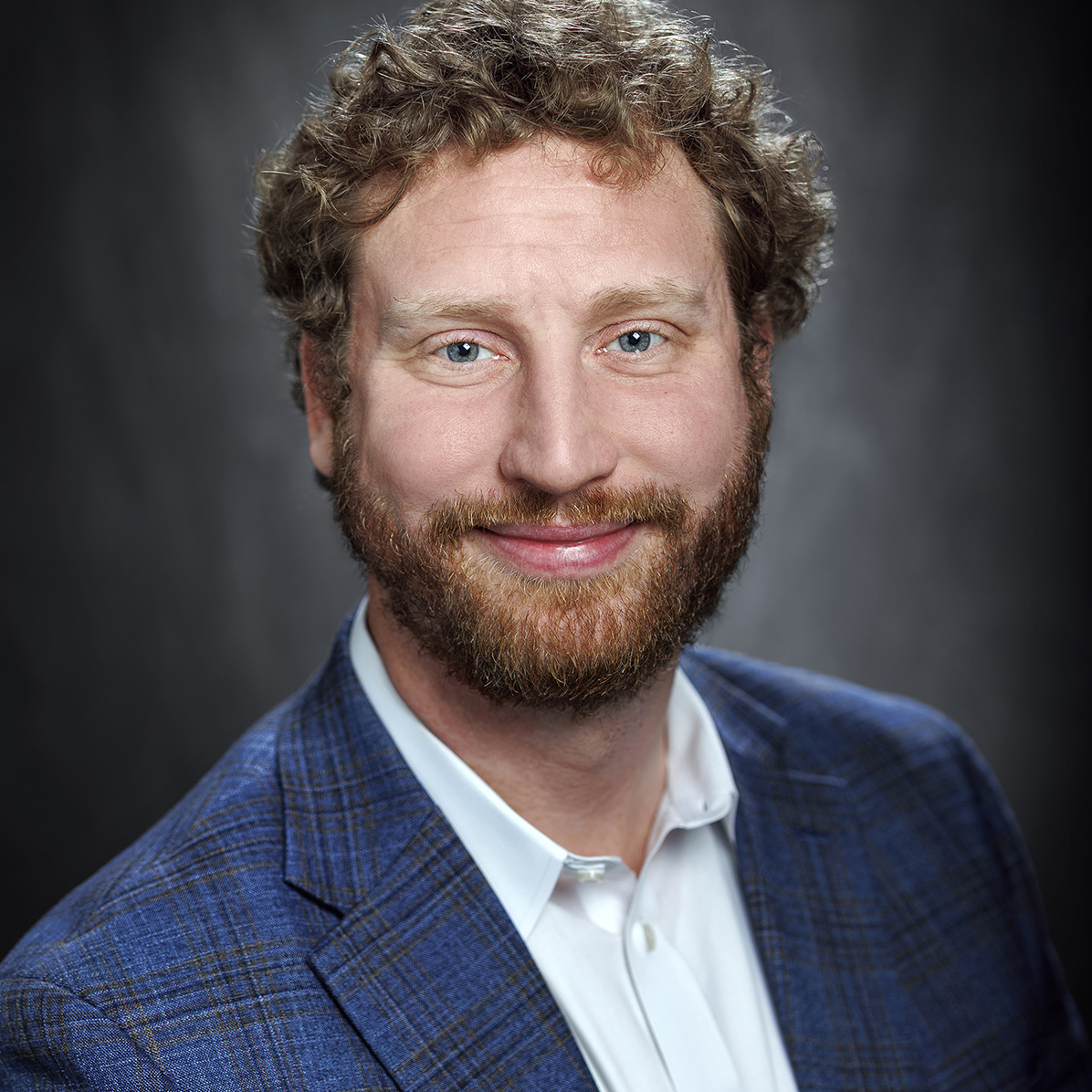
Kevin Smiley, Sociology, College of Humanities & Social Sciences
Associate Professor Kevin Smiley researches the relationship between environmental change and social inequalities, and how vulnerable populations can be unequally impacted by natural disasters such as hurricanes. He was honored with the Rising Faculty Research Award from the LSU Alumni Association in 2023, and was the recipient of several awards for early-career researchers, including the prestigious NSF CAREER in 2024 for his ongoing work on the impacts of extreme weather on communities.
Outreach has been a continual focus of Smiley’s work. He has been interviewed on The Weather Channel, and an article he wrote for Nature Communications has been featured in the New York Times, the Washington Post, and the Houston Chronicle. Much of this work discusses the disproportionately experienced economic impacts from storms such as Hurricane Harvey. His co-authored book, “Market Cities, People Cities” (NYU Press, 2018), outlines the effects of a city’s design on those who inhabit it, and advocates for ways to improve urban planning.
“This is a kind and special recognition,” Smiley said. “Many thanks to LSU and to Campus Federal for their support of this work. I am profoundly grateful.”
Smiley earned his PhD in Sociology at Rice University in 2017.
Emerging Scholar in Science, Technology, Engineering & Mathematics
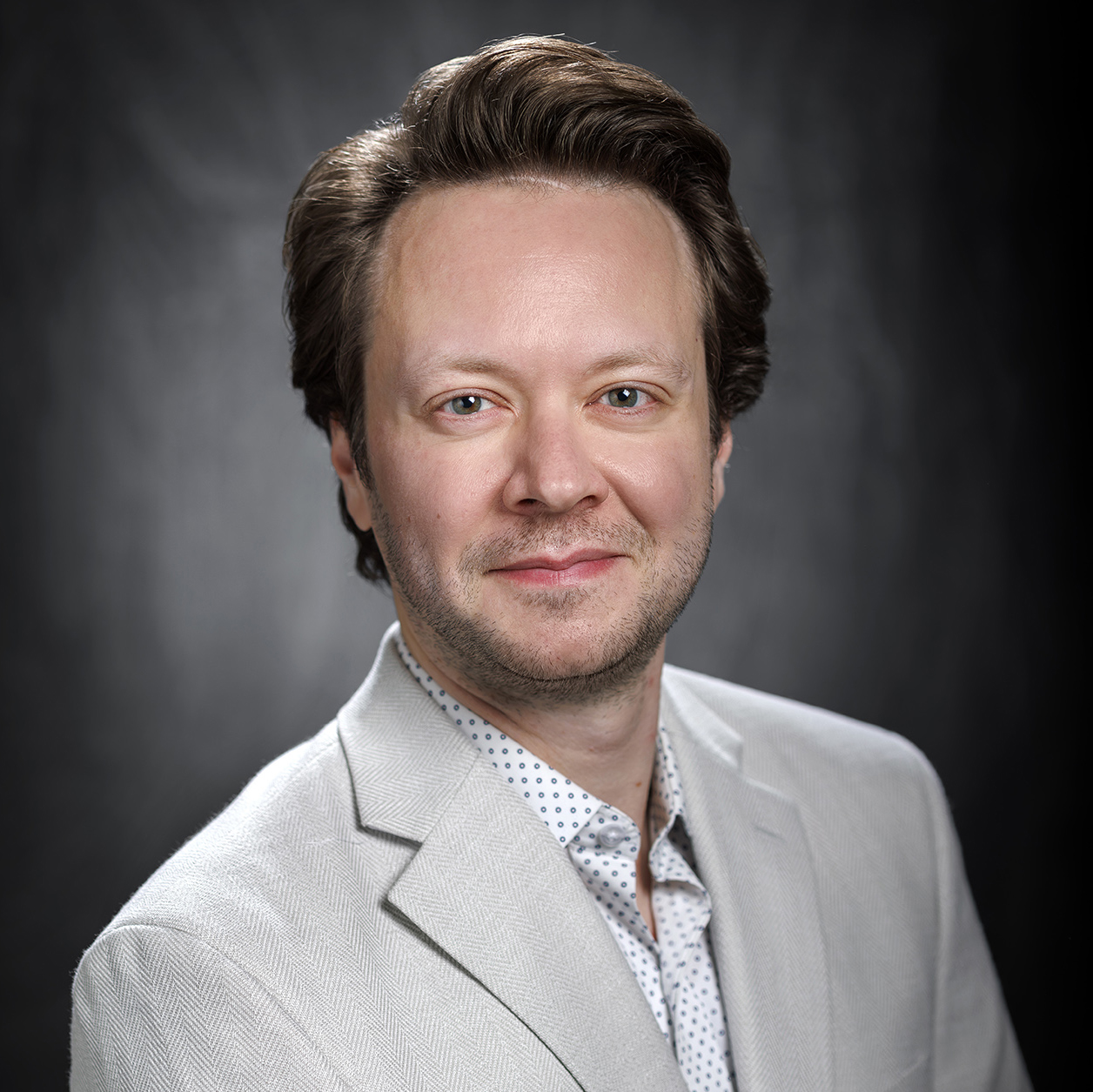
Eric Burns, Physics & Astronomy, College of Science
Associate Professor Eric Burns studies supernovae and gamma-ray bursts, the most energetic explosions in the universe, to understand fundamental physics. He leads the InterPlanetary Network, an international collaboration of spacecraft distributed across the solar system that together form the largest scientific instrument ever constructed. His research has measured the speed of gravity, established the origin of gold, and identified the brightest cosmic explosion in millennia.
Burns has secured millions in funding from NASA, the National Science Foundation, and the Department of Energy, resulting in 90 peer-reviewed publications and 15,000 citations. He has delivered more than 70 invited talks, including one at the U.S. Capitol Complex, and his discoveries have been featured in major media outlets, including The New York Times and the Washington Post. He is now expanding into new research areas through leadership contributions to NASA’s next flagship telescope, the Habitable Worlds Observatory, designed to search for life beyond Earth.
“I am honored to receive this recognition. The support of my partner, colleagues, department, and LSU’s Office of Research and Economic Development has made this work possible, and I am excited about the discoveries still ahead,” Burns said.
Burns earned his PhD in Astrophysics at University of Alabama in Huntsville in 2017.
Mid-Career Scholar in Arts, Humanities, Social & Behavioral Sciences
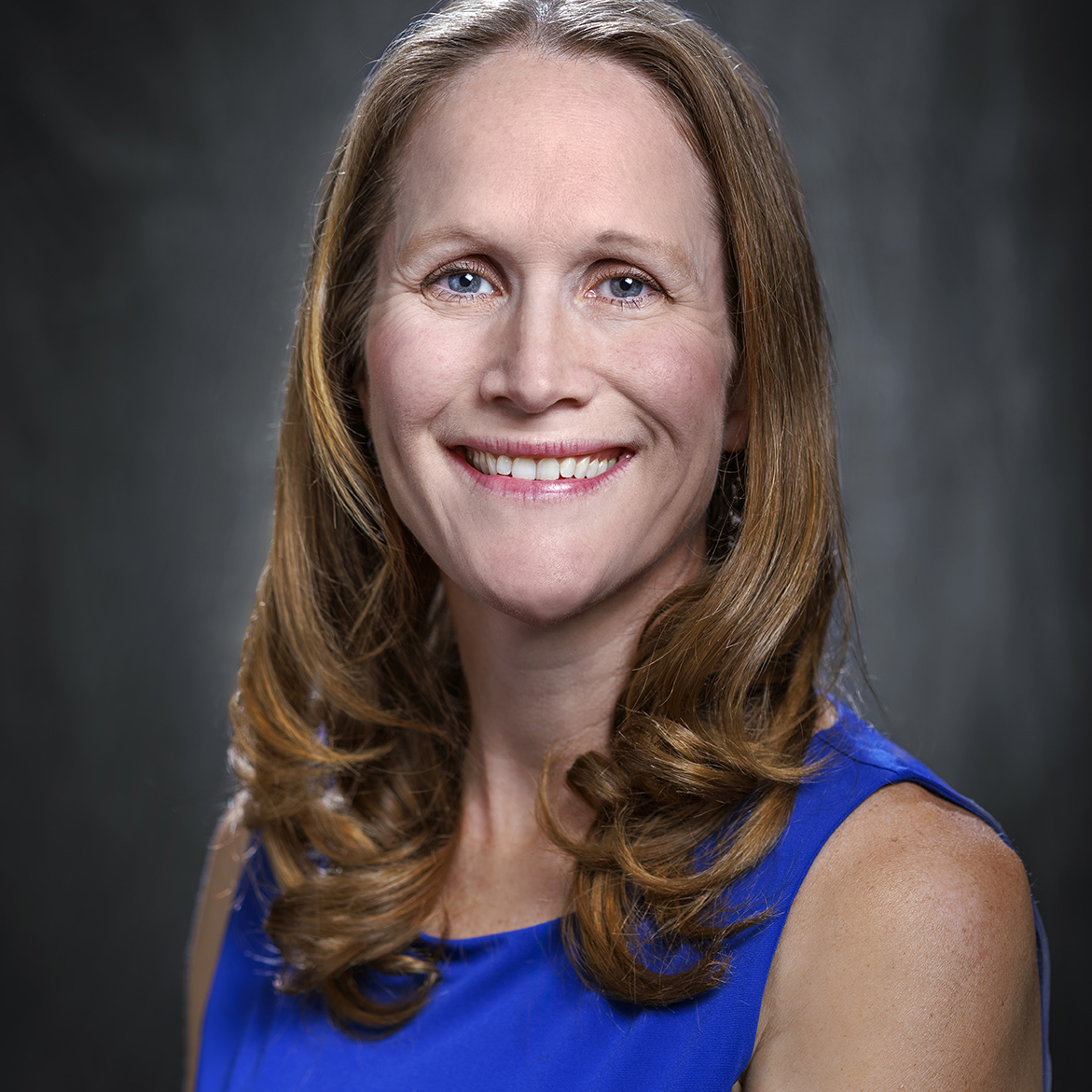
Juliet Brophy, Geography & Anthropology, College of Humanities & Social Sciences
Associate Professor Juliet Brophy specializes in the study of ancient humans (hominins), their environment, and their evolution. She has appointments at LSU and at the University of the Witwatersrand in South Africa, allowing her close proximity to important sites where she can study the skeletal remains (particularly teeth) of our human ancestors and other species that lived alongside them, such as antelope and buffalo. She was one of a few researchers invited to analyze newly recovered hominin remains discovered in South Africa, and her work identifying unique characteristics was crucial in classifying it as a new species (Homo naledi). While the majority of her focus has been on South African hominin species, Brophy has also studied Neandertal teeth found in France and Belgium.
Brophy has been a principal and co-principal investigator on two NSF grants supporting her work, and her articles have been published in many high-impact journals such as Science, eLife and the Journal of Human Evolution. Understanding the story of our species and the environment’s contribution to its evolution is a topic that has resonated with many, as evidenced by a 2019 TEDxLSU talk given by Brophy that gained over 2.5 million views, as well as the featuring of her first-author paper on Homo naledi in National Geographic and other media. She has been invited to several national and international talks on the findings and implications of her work, and has routinely given her time to engage with the next generation of scientists at high schools and events organized by Science.
“It is truly an honor to be recognized as a Rainmaker by such a remarkable institution,” Brophy said. “I am deeply grateful to LSU for their unwavering support of my research endeavors. Exploring human origins in Africa and sharing these discoveries with both academia and students has been a dream come true.”
Brophy earned her PhD in Biological Anthropology at Texas A&M University in 2011.
Mid-Career Scholar in Science, Technology, Engineering & Mathematics
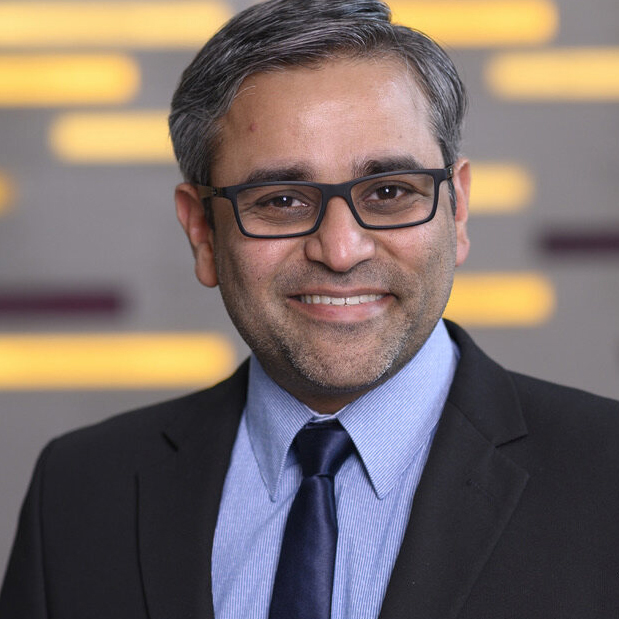
Bhuvnesh Bharti, Chemical Engineering, College of Engineering
Associate Professor Bhuvnesh Bharti investigates colloidal science and interfacial engineering. His research focuses on practical impacts of different kinds of nano and microscale materials, such as the properties and environmental impacts of microplastics. Through various experiments, Bharti revealed ways that environmental weathering and microplastics’ chemical structure influence how they react to and spread throughout an environment. His articles, which have been published in journals such as Nature Communications, Environmental Science & Technology Letters and Science Advances, have over 4,700 citations, making him one of the most highly cited faculty at LSU in his career stage. His work has been supported by a diverse array of funding sources, such as the NSF, NASA, and the DOE.
Bharti’s scientific leadership has continually established him as a prominent figure in his field: he was appointed as a section editor of Current Opinions in Colloid and Interface Science, won the bid to co-organize the upcoming 2028 ACS Colloids and Surface Science Symposium to be hosted in New Orleans, and was invited to speak about his microplastic research at the International Polymer Colloids Group conference in France last year. He has won national and global research awards—he was named an NSF CAREER awardee in 2020, Emerging Investigator in Soft Matter in 2023 by the Royal Society of Chemistry, and a Rising Star in Environmental Research in 2025 by ACS Environmental Au.
“LSU has given me the opportunity to grow as a scientist, educator, and mentor. Together with an outstanding team of students and colleagues, we study materials at the nanoscale and translate that knowledge into solutions for energy and environmental challenges facing Louisiana.”
Bharti earned his PhD in Physical Chemistry at Technische Universität Berlin in 2012.
Senior Scholar in Arts, Humanities, Social & Behavioral Sciences
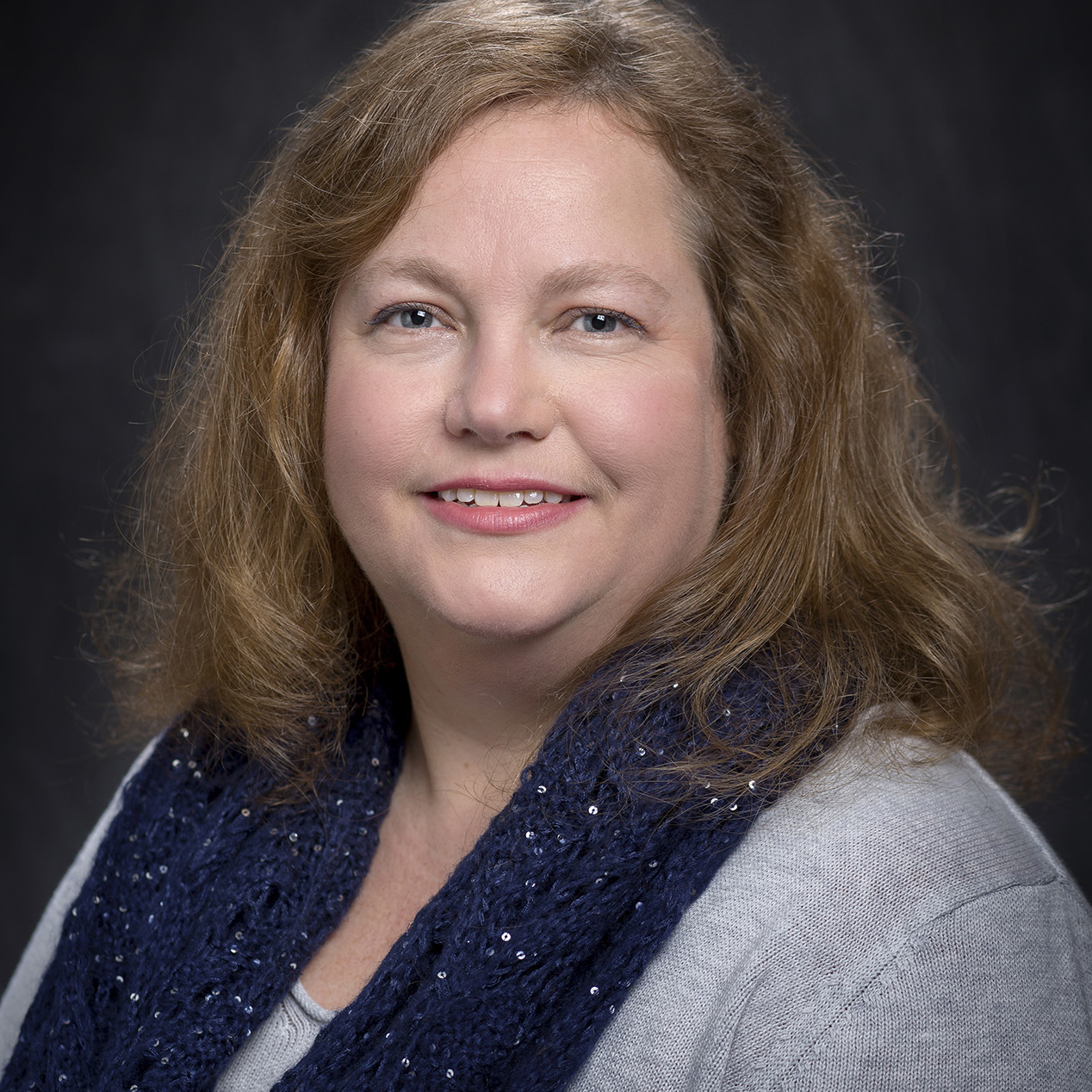
Kristine DeLong, Geography & Anthropology, College of Humanities & Social Sciences
Professor Kristine DeLong is an internationally recognized researcher whose work centers on the study of past climate systems. She leads research on the now well-documented Alabama Underwater Forest Project, a 70,000-year-old preserved forest of bald cypress trees in the Gulf of Mexico when sea level was lower than today. The paleoenvironment of these trees, known from studying the sediments, pollen and wood from the sites, is providing groundbreaking insights into climate variability during the early ice age, which can inform modern climate challenges and strategies as well as marine resource management.
DeLong’s research has been recognized by the broader scientific community as well as the public at large through her regular engagement with public-facing science communication. She is the principal investigator on 10 competitive awards from agencies including the National Science Foundation, Bureau of Ocean Energy Management, and U.S. Geological Survey; she is the first author on a paper in Nature Climate Change, and a coauthor on four additional Nature publications. Several documentaries have highlighted her work (one of which aired on PBS, and has over 1.2 million views on YouTube), and she has often been interviewed by outlets such as NPR, Nature and the Washington Post. She has also contributed to her field by creating and sharing resources with other scientists.
Her latest project is seawater isotopes that provide information useful for assessing past climate conditions, but despite their relevance, such data had no centralized, actively maintained database. Recognizing this gap, DeLong co-led the CoralHydro2k Seawater Delta-18-O Database, a crowdsourced database of seawater isotopes that now contains over 18,000 data points, a tremendous resource that will serve scientists for years to come.
“The Rainmaker Award is an honor to receive, and it’s an honor to be a part of this prestigious group at LSU,” DeLong said.
DeLong earned her PhD in Marine Science studying paleoclimatology and paleoceanography at University of South Florida in 2008.
Senior Scholar in Science, Technology, Engineering & Mathematics
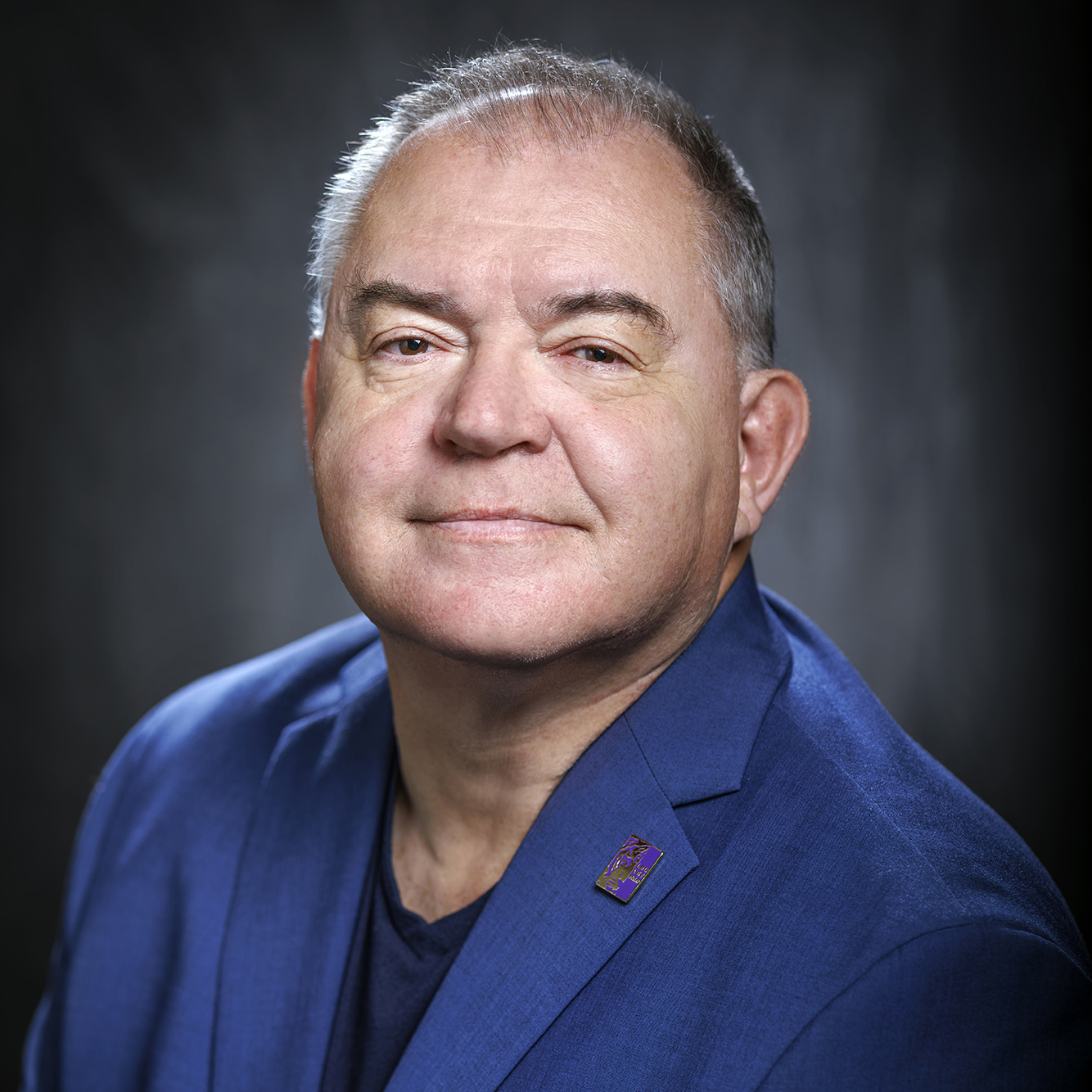
Fabio Del Piero, Pathobiological Sciences, School of Veterinary Medicine
Professor Fabio Del Piero’s career is marked by his extensive contributions to comparative pathology, microbiology and veterinary research, particularly focusing on “one health” (connecting the health of humans, animals and the environment), zoonotic diseases and epidemic animal diseases. He is a prolific writer with over 170 peer- reviewed and widely cited articles and four books.
He has been honored with national and international awards, over 130 invited presentations at institutions and national and international meetings, and he has served in numerous leadership roles. He won the highly esteemed Ljudevit Jurak Award for Comparative Pathology in 2003, as well as the Barbara Jean Thompson Service Award in 2009. In addition to serving as section head of anatomic pathology in LSU’s veterinary medicine program, he is the current vice president of the Davis-Thompson Foundation for the study, practice and teaching of comparative pathology and an overseas member of the British Veterinary Research Club. He has been a member of the editorial board of the American College of Veterinary Pathologists, serving as program chair for their 2009 symposium.
“This Rainmaker Award demonstrates LSU’s deep appreciation for not only my work but the continuous and prolific work of all comparative pathologists in the LSU School of Veterinary Medicine,” Del Piero said. “Our gratitude goes to our beloved LSU and to the LSU Council on Research for recognizing our team’s impact on science, service and teaching to advance human and animal health.”
Del Piero earned his DVM degree at University of Milan in 1990, and his PhD in Pathology and Arbovirology at University of Turin in 2001.